

Close the Jacket
Circular Jacket Challenge · Challenge partner: Anthea (IT)
How might we close a reversible mono-material polyester jacket so that it stays recyclable, survives alpine use and washing, and still fits a €85–95 price point?
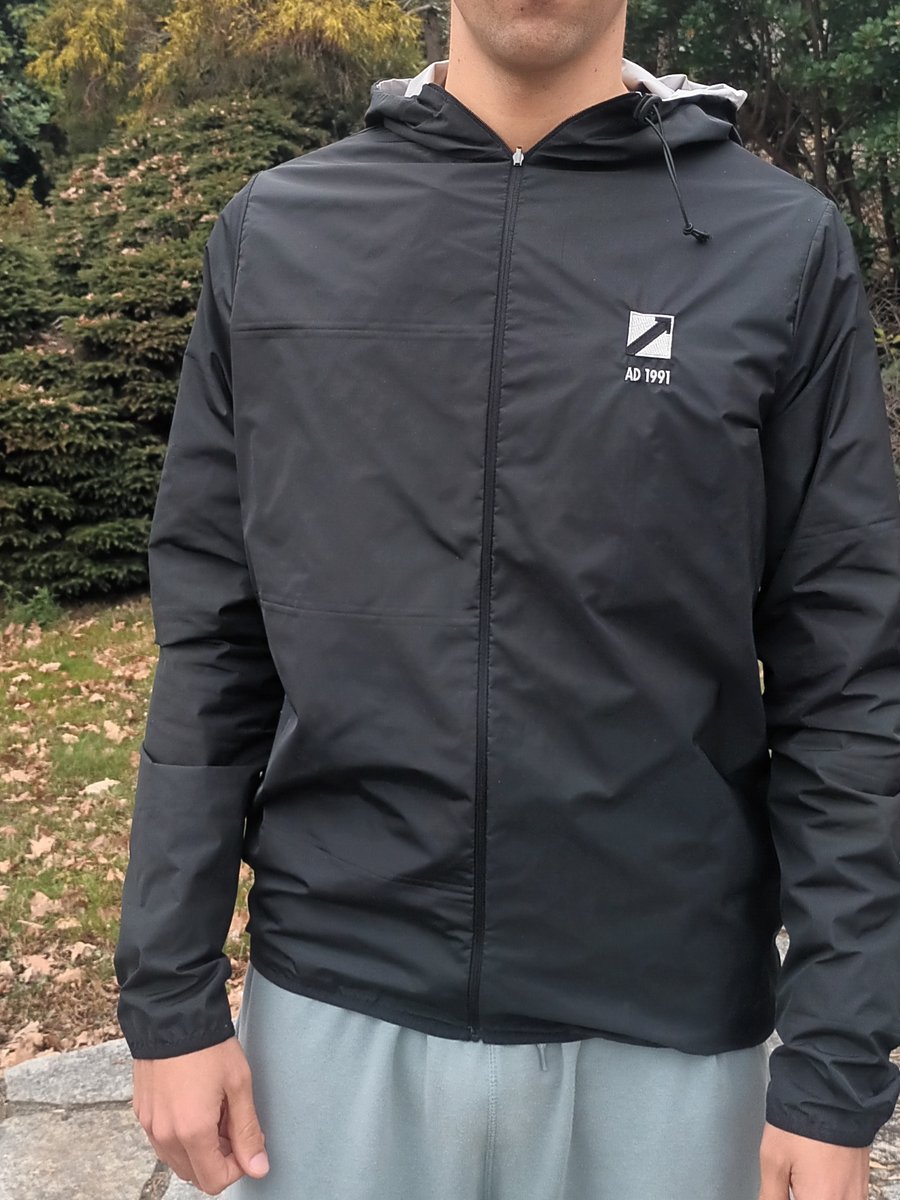
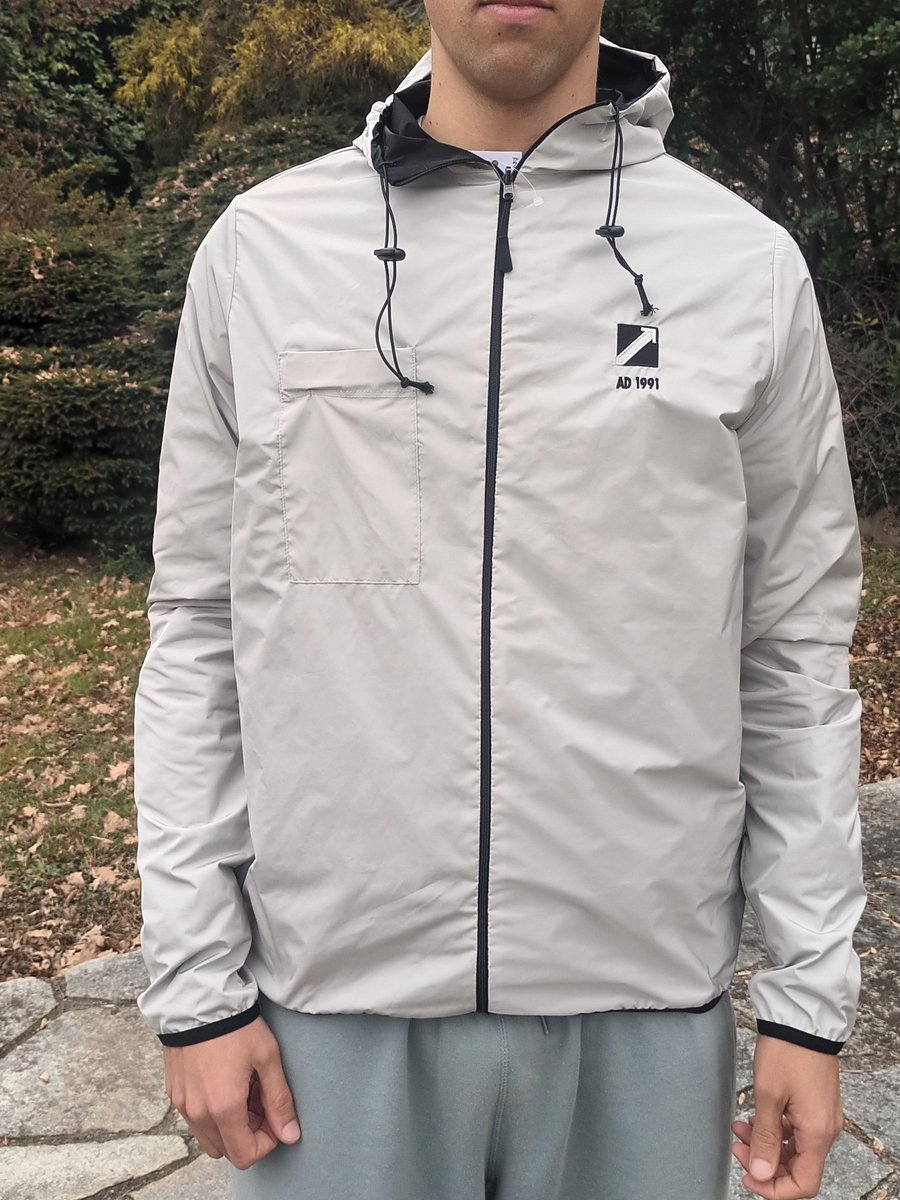
Anthea’s double-face reversible jacket is mono-material and 100% recyclable. Every element except one: the zipper.
From raw materials to a new market: meet Anthea
Anthea is a B2B raw materials and yarn company established in 1991, based in Biella, Italy — one of Europe’s most important textile districts. Their range includes 100% polyester yarns, high-tenacity nylon, stretch and corespun yarns, and blends with technical fibres.
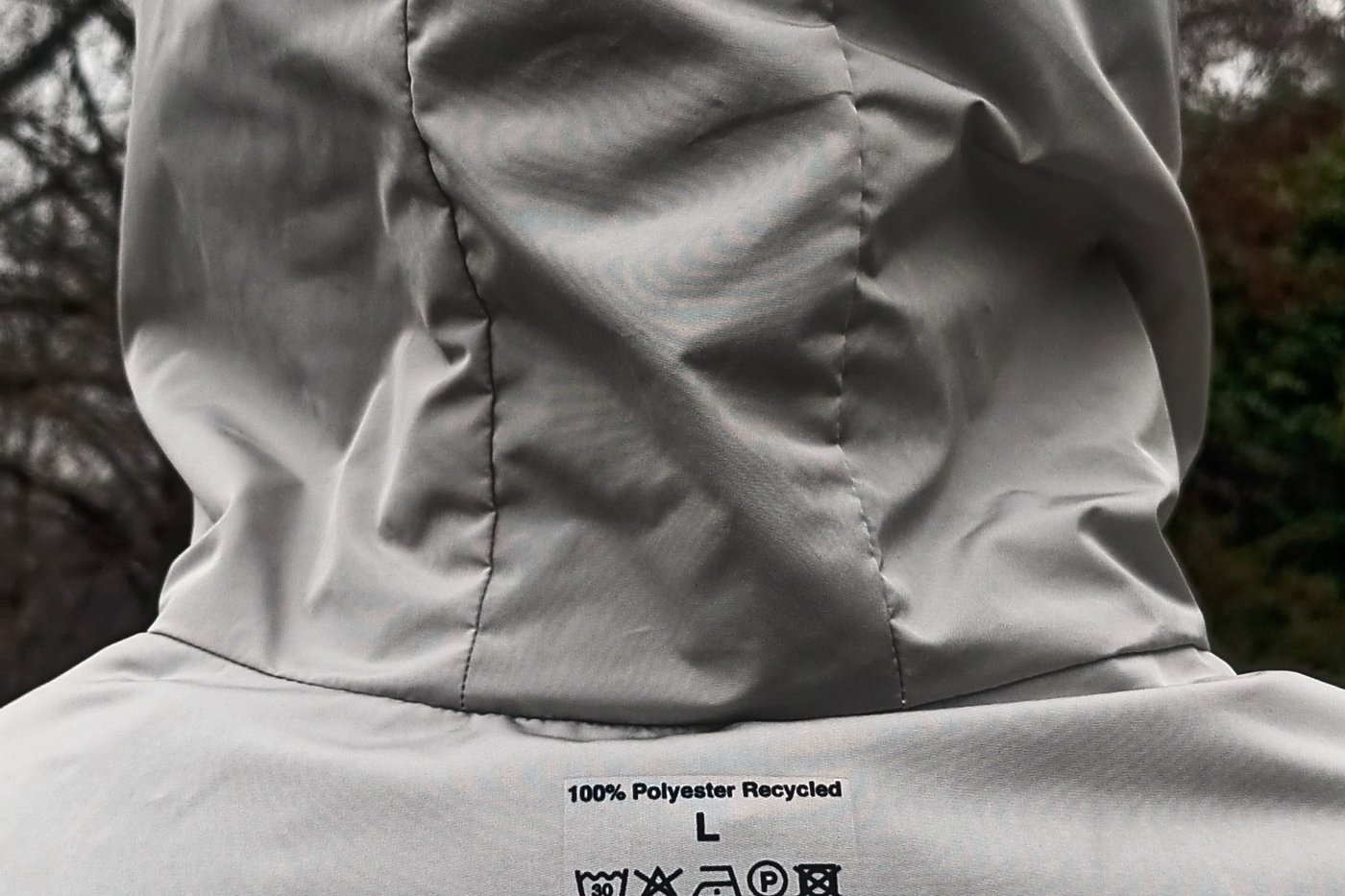
As the market for traditional raw materials has been in decline for two decades, Anthea is focusing on the growing outdoor sports segment with a new product: a double-face reversible outdoor jacket made entirely from recycled and recyclable polyester. The jacket already exists as a working prototype — recycled polyester sewing threads, no sewn labels (printed instead), components designed for easy separation at end of life. Every element is mono-material and 100% recyclable. Every element except one: the zipper.
The last barrier: a zipper that blocks 100% recycling
Zippers with recycled content are now standard, and the first mono-material polyester zippers are reaching the market. None of them has yet been proven in a jacket like this one: reversible, weatherproof, washable and priced to compete. Conventional zippers use mixed materials — metal sliders, virgin polyester tape, different polymers for teeth — making mono-material recycling impossible. Metal parts damage recycling machinery. Velcro was considered and ruled out: it fails after six to twelve months of intense alpine use. The zipper is a small component, but it is the single remaining barrier that prevents the entire jacket from entering a mono-material recycling stream.
The timing matters. The EU’s Ecodesign for Sustainable Products Regulation will set recyclability requirements for textiles and require a Digital Product Passport, and separate collection of textile waste has been mandatory across the EU since January 2025. Brands that can already prove a garment is genuinely recyclable will be ahead of a regulatory wave the rest of the industry is about to meet.
Thin margins, real constraints
The double-face reversible jacket is priced to compete against Asian-manufactured alternatives, which leaves almost no room in the unit cost. Reprocessed polyester fibre currently costs roughly three times more than virgin material, and energy costs in Italy are higher than in most EU countries. A recyclable zipper cannot be a premium add-on — it has to work within an existing cost structure. Production runs in minimum batches of 100 units through a local supply chain in and around Biella, chosen deliberately to keep transport emissions and lead times down. The strategic direction is clear: shift from fast fashion to long-lasting fashion with a three-to-five-year product life.
A closure that works for this jacket
How might we close a reversible mono-material polyester jacket so that it stays recyclable, survives alpine use and washing, and still fits a €85–95 price point?
Two directions are equally valid: use recycled material in the zipper (“recycled content”) or design the zipper so it can be recycled together with the jacket at end of life (“design for recyclability”) — ideally both. The open question is integration: whether any closure, existing or new, can go into this reversible jacket, survive years of use and be recycled together with it.
Three constraints are non-negotiable. First, the closure must withstand alpine conditions: cold, wet, wind, washing, repeated use over years. Second, it must go into the garment in the normal production flow, without extra steps such as additional cutting, seam taping or hand finishing. And third, since the jacket is reversible, the closure has to work and look finished from both sides — which rules out most conventional constructions before the material question even comes up.
Teams can focus on one pathway or combine several. We are looking for concrete, feasible proposals — a tested closure sample, a benchmark of existing zippers, a cost model, a partnership strategy — not slide decks with abstract principles.
What a prototype can look like in two days: a sewn or bonded sample panel with your closure, a simple wash, cold or abrasion test, a 3D-printed slider, a side-by-side benchmark of recycled and mono-material zippers with a unit-cost model, or a mock-up of the Digital Product Passport entry that proves the closure can be recycled with the jacket.
Find your angle
|
Which zipper actually works in this jacket? Recycled and mono-material polyester zippers exist. Which of them survive cold, washing and repeated use, look finished from both sides and fit the unit cost? Test them, compare them, and show where they fall short. Can teeth, tape and slider come from the same polymer family as the jacket? What does Anthea’s recycled polyester yarn make possible that virgin material doesn’t? |
How does the closure go in? Stitching through a laminate can let water in; bonding raises the question of which adhesive survives washing and still recycles with the polyester. Which joining method keeps the jacket weatherproof, washable and mono-material, and how would you test it in a workshop? |
|
How do you solve a closure that has to work from both sides? A reversible jacket has no hidden face. What does that mean for the slider, the tape, and the way the closure is attached? |
Could an alternative fastening system outperform a zipper? We have looked at this and come back to the zipper — velcro failed on durability, and nothing else has matched it for a garment meant to last years. But we would rather be proven wrong than stop looking. If magnetic closures, snap systems, or interlocking textile structures can survive alpine use, make the case. |
|
How do you build a business case for a product that doesn’t exist yet? Minimum order quantities are a blocker when there is no proven demand. How can Anthea and a brand partner de-risk the first production run? |
Which brand partner would be the right fit? Anthea cannot go to market alone with a single component. What kind of outdoor or sports brand would commit to co-developing a recyclable zipper, and what would they need to see first? |
The prize
The winning team will receive a first prototype of Anthea’s reversible jacket.
Part of the Circular Jacket Challenge, 26–27 November 2026 — a two-day Innovation Sprint under the Interreg Alpine Space project ASTER, powered by InnoDays.