

Plastic-Free Performance
Circular Jacket Challenge · Challenge partner: FreyZein (AT)
How might we make natural performance the obvious choice for a brand’s next product?
FreyZein has built a cellulose membrane that gives natural fabrics real weather protection. What is missing is the map: which product, which customer, which moment makes a brand reach for it first.
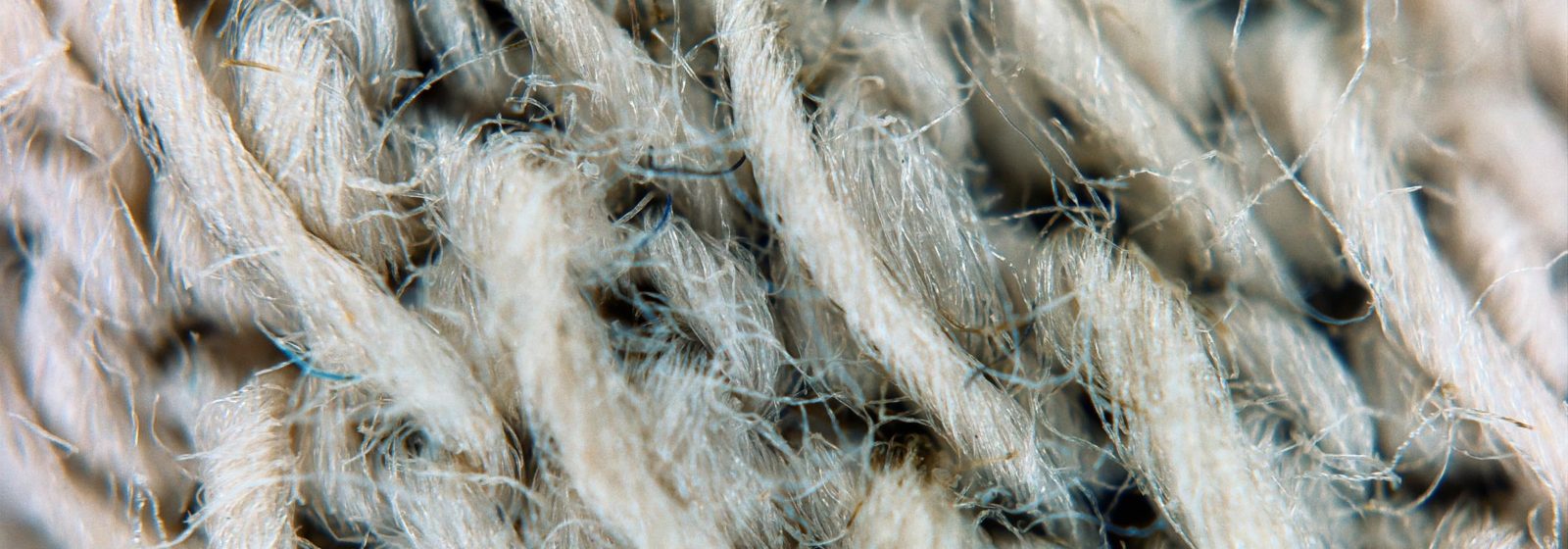
From fashion brand to ingredient brand
FreyZein is an Austrian material developer building the next generation of natural performance textiles. The company started as a fashion brand, ran into the limits of natural materials in technical apparel, and pivoted: it no longer builds finished products, it enables them.
That makes FreyZein an ingredient brand — its technology sits inside someone else’s garment and lets that brand create products it could not make before, without giving up the look and feel of natural textiles.
S9 is the current platform: windproofing, water resistance and high breathability in two- and three-layer constructions. SX is in development for fully waterproof applications. TerraDown, developed with ESA Space Solutions Austria, explores aerocellulose as a petrochemical-free insulation.
The problem: performance still comes with compromises
Brands can already build most of a collection around natural fibres. The trouble starts when a product needs lightweight, technical weather protection. Modern performance still relies on synthetic membranes, coatings and treatments, and the natural alternatives bring trade-offs in weight, breathability, care or design freedom.
So a product that set out to be natural quietly turns synthetic at the technical layer — sometimes visibly, more often hidden inside the construction. FreyZein attacks that trade-off at the material layer. The open question is no longer whether the technology works. It is where it creates the most compelling product opportunity.
Why this is hard: agreement is not the same as action
Almost no brand needs convincing that depending less on petrochemical materials is desirable. Agreement still does not lead to adoption. The incumbent is proven, priced and understood — designers know it, developers trust it, sourcing can buy it. A new material has to win every one of those decisions before it reaches a customer.
That is harder for an ingredient brand, because the customer never meets FreyZein. They meet a jacket, an overshirt, a trench coat from a brand they already know. And the strongest quality is the one a spec sheet cannot carry: a product that looks, feels and wears like a natural textile while behaving like something far more technical.
Making natural performance obvious means making it the easier product decision, not the better sustainability argument.
What we are looking for
FreyZein already offers partners two ways in: a qualified portfolio of two- and three-layer constructions that can be sampled and tested quickly, or a custom construction built around a brand’s own natural face fabric. What is missing is the map that comes before that choice.
Start with the end customer and work backwards. Show what someone actually wants, in a product they would genuinely buy, and you have built most of the argument a brand needs. We are looking for concrete, feasible proposals — a product concept, a use case, a partner business case, a prototype or a demonstration. Not slide decks with abstract principles.
Find your angle
|
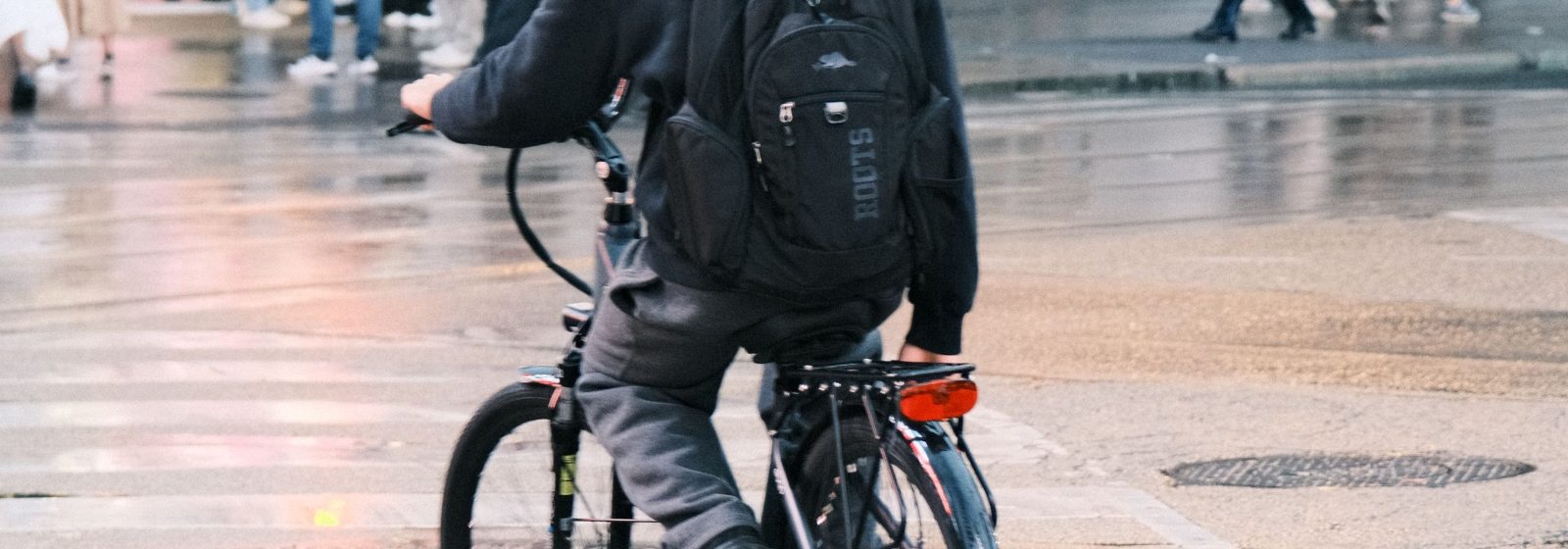
Who wants this, and at what moment? Picture the person, not the segment. The commuter cycling to work when the weather turns. The parent on the school run. The traveller packing one layer instead of three. The person who loves natural clothing and dislikes how technical apparel looks and feels. What compromise do they accept today? |
Which product makes the case best? A technical jacket is the obvious answer. What is the non-obvious one? Overshirts, trench coats, premium casualwear, workwear, footwear components, bags — and beyond clothing, outdoor equipment and home textiles as TerraDown matures. |
|
Now convince the brand Turn your use case into an argument a product team would act on: new customers, a new seasonal category, a stronger price point, clearer differentiation. The argument cannot stop at this is the more sustainable material. It has to become this is a better product opportunity for our brand. |
How can AI make the case visible? A brand meeting is a hard place to explain a material nobody can see. Instead of another deck: a product film, an interactive story, a scenario a buyer can adjust live. Visualise a product that does not exist yet and put it in the moment where its hidden performance matters. |
The prize
{{TBD: Prize noch mit FreyZein zu bestätigen}}
Part of the Circular Jacket Challenge, 26–27 November 2026 — a two-day Innovation Sprint under the Interreg Alpine Space project ASTER, powered by InnoDays.